
Rebirth: Climate Crisis and Migration – Understanding the Environmental Consequences of War and Developing Sustainable Solutions
Frissítve: aug. 6.

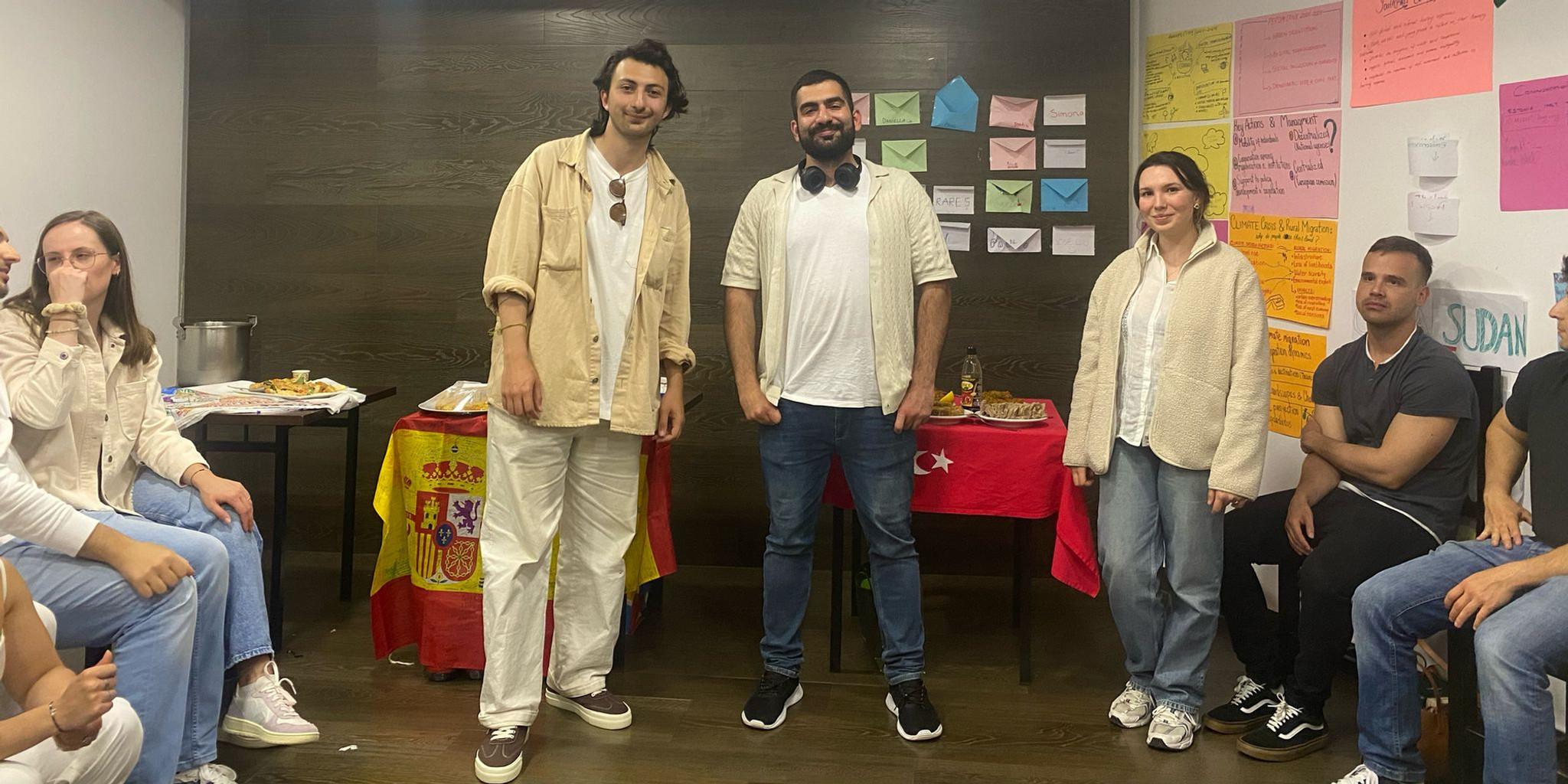
The Erasmus+ Mobility of Youth Workers project “Rebirth: Climate Crisis and Migration” was implemented in Madrid/Alcobendas, Spain, from 29 April to 5 May 2025 under the coordination of KUFF Refugees and Minorities Solidarity Association. The project brought together representatives from Estonia, Hungary, Italy, North Macedonia, Romania, Spain, Türkiye. The programme included a series of creative motivation activities designed to strengthen participants’ connection with nature and increase their environmental awareness. Through body-expression exercises inspired by classical music, youth workers interpreted natural phenomena and living beings through movement, creating an engaging space for self-expression and intercultural interaction. These activities encouraged participants to reflect on their relationship with nature while enhancing communication, creativity, and active participation within the group.
A key focus of the learning process was the environmental destruction caused by armed conflicts. Participants explored how wars contribute to deforestation, the destruction of agricultural land, biodiversity loss, and the pollution of air and soil. By sharing examples and experiences from their own countries, youth workers gained a broader understanding of how environmental degradation affects both ecosystems and human communities, creating long-term social and economic challenges.
Another important topic addressed during the project was radioactive pollution and its impact on human health and the environment. Through presentations, visual materials, and group discussions, participants examined the long-term consequences of modern weapons and the environmental risks associated with radioactive contamination. These activities helped youth workers develop a deeper awareness of the global dimensions of environmental issues and provided valuable knowledge that can be transferred into future educational and youth work activities.
The project also encouraged participants to imagine alternative futures by exploring how technology, education, healthcare, agriculture, economics, and environmental development might have evolved in a world without wars. Through collaborative research, scenario-building exercises, and intercultural exchange activities, participants strengthened their critical thinking, teamwork, communication, and problem-solving skills. Reflection and evaluation sessions further supported the learning process, enabling youth workers to assess their achievements and identify new ways to apply their knowledge and experiences in future initiatives related to climate action, migration, and sustainable development.


